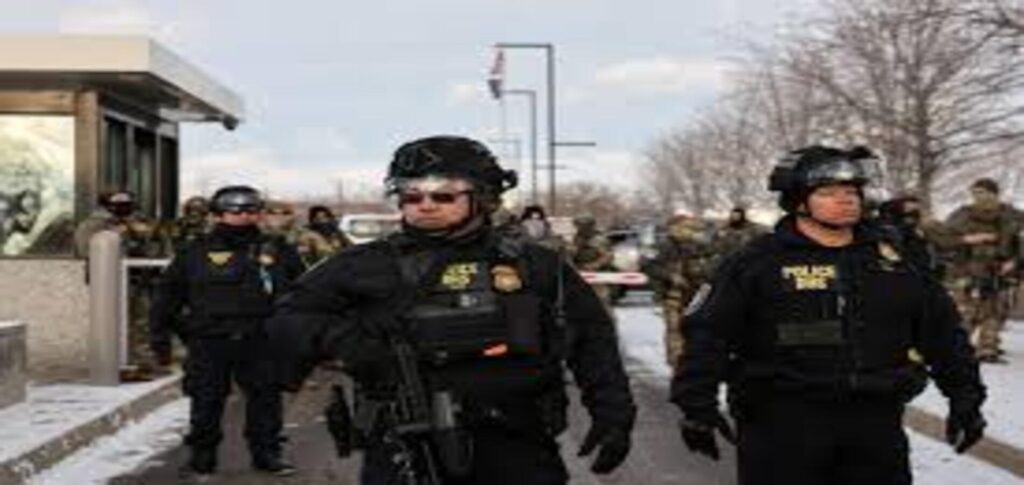
US Immigration and Customs Enforcement (ICE) plans to equip its field officers with body cameras within the next two months. However, its new policy gives the agency broad control over which recordings become public.
_x000D_ICE says officers nationwide will have body-worn cameras by the end of September. The rollout follows several fatal shootings involving immigration officers.
_x000D_Those incidents have increased calls for greater accountability. Body cameras could provide the public with more information about what happens during such encounters.
_x000D_However, the ICE body camera policy allows the agency to withhold footage in some cases.
_x000D_ _x000D_ICE Body Camera Policy Allows Video to Be Withheld
_x000D_The policy says ICE can release footage of shootings and other encounters involving death or serious injury when it decides that doing so is in the agency’s “best interests.â€
_x000D_That decision could give the ICE director significant control over the timing of video releases.
_x000D_The policy allows the agency to release footage within 72 hours after a serious incident. However, the director can also delay or block a release if “specific and compelling circumstances†exist.
_x000D_The policy does not clearly define those circumstances.
_x000D_ICE did not respond to questions about how officials will decide which videos should remain private.
_x000D_ _x000D_Experts Question ICE Control Over Body Camera Footage
_x000D_Experts say law enforcement agencies sometimes choose which body camera recordings to release. However, they said it is unusual for a policy to give an agency such broad discretion.
_x000D_Christopher Schneider, a professor at Brandon University in Canada, has studied police body cameras and their role in public accountability.
_x000D_He said agencies can use body camera footage to shape public perceptions of police work.
_x000D_The policy also requires ICE to protect officers’ privacy. Released recordings must hide officers’ faces, names and badge numbers.
_x000D_ _x000D_ICE Officers Must Activate Cameras During Enforcement
_x000D_Under the policy, officers must activate their cameras during routine enforcement activities.
_x000D_That includes arrests, search warrants and emergency responses.
_x000D_After a shooting or another serious confrontation, a committee made up of senior ICE officials and lawyers will review the footage.
_x000D_The committee will then recommend whether ICE should release the recording.
_x000D_If officials approve the release, the video could become public within 72 hours. However, the ICE director can order the agency to withhold it.
_x000D_ _x000D_ICE Body Cameras Follow Recent Fatal Shootings
_x000D_ICE’s decision to expand its body camera program follows two fatal shootings in July.
_x000D_In Maine, an ICE officer fatally shot a 25-year-old motorist. The officer reportedly had a history of violent behavior.
_x000D_Days earlier, another ICE officer shot and killed a homebuilder in Houston who was driving to work.
_x000D_Neither incident was recorded by a body camera.
_x000D_The lack of footage angered some members of Congress. Lawmakers had already approved $20 million for ICE to purchase body cameras as part of legislation passed on April 30.
_x000D_ _x000D_ICE Spends $30.9 Million on Body Cameras
_x000D_ICE spent $30.9 million in July to purchase body camera equipment from Axon, according to federal spending records.
_x000D_The agency says more than half of its field officers have now received cameras.
_x000D_The remaining officers are expected to receive them by the end of September.
_x000D_The timeline is later than some earlier estimates. Senator Susan Collins had previously said ICE told her the cameras would be deployed by the end of August.
_x000D_ICE had also previously said officers would receive the devices by mid-September.
_x000D_At least one officer on every arrest team will be required to wear a camera.
_x000D_ _x000D_ICE Body Camera Rollout Faces Criticism
_x000D_The agency began testing body cameras in 2021 under President Joe Biden’s administration.
_x000D_ICE distributed about 1,400 devices three years later. The agency said it would expand the program as funding became available.
_x000D_After President Donald Trump returned to office in 2025, his administration rescinded a Biden order requiring federal law enforcement agencies to use body cameras.
_x000D_ICE later received a major increase in funding under Trump’s immigration policy package. However, the agency did not immediately equip its growing workforce with cameras.
_x000D_Jason Houser, who served as ICE chief of staff under Biden, criticized the slow rollout.
_x000D_He argued that officers should have received cameras as the administration expanded immigration arrests and traffic stops.
_x000D_Houser said the latest push appeared to be a political response to recent shootings and pressure from Congress.
_x000D_ _x000D_Critics Want Greater Transparency From ICE
_x000D_Supporters of body cameras say the devices can provide important evidence during encounters between officers and the public.
_x000D_White House border czar Tom Homan has also defended their use. He said Americans should be able to see what officers see and hear during operations.
_x000D_However, critics remain concerned about who controls the footage.
_x000D_They argue that selective releases could influence how the public views ICE operations.
_x000D_The debate is likely to continue as the agency expands its body camera program and carries out the Trump administration’s mass deportation campaign.
_x000D_ For now, the ICE body camera policy leaves the agency with significant authority over when footage from serious encounters becomes public.