US Iran Sixth Night Strikes Expand Military Campaign
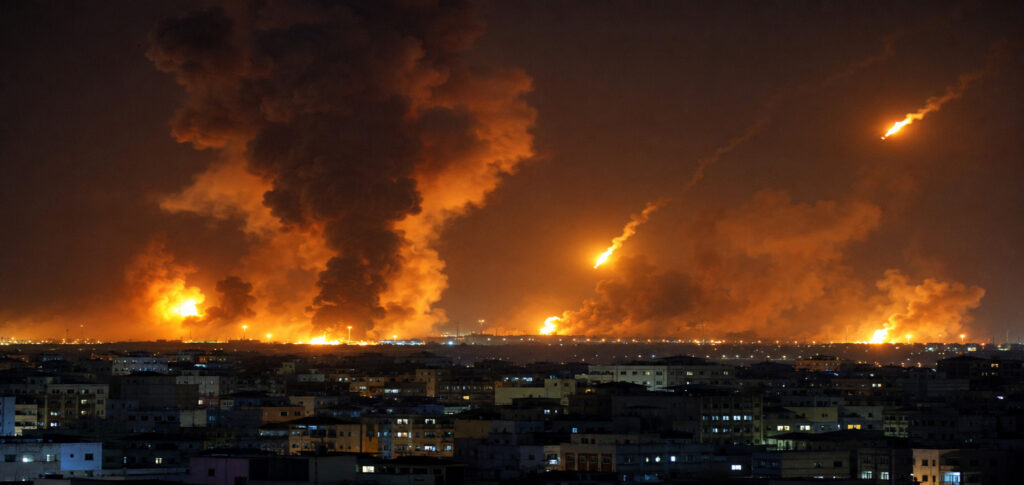
_x000D_US Iran Sixth Night Strikes continued overnight as the United States launched another wave of military attacks across Iran. The operation marked the sixth consecutive night of US strikes. CENTCOM said it targeted military facilities to weaken Iran’s operational capabilities. Iranian officials, however, claimed the attacks also damaged civilian infrastructure, further escalating tensions across the Middle East.
_x000D_The latest escalation comes as both countries remain locked in a confrontation over the Strait of Hormuz, one of the world’s most important maritime trade routes.
_x000D_ _x000D_Iran Says Civilian Sites Were Hit
_x000D_Iranian state media reported that several civilian locations were struck during the overnight attacks, including bridges, a railway station and an airport in the country’s southern provinces.
_x000D_Local authorities in Hormozgan province said at least seven people lost their lives, while several others suffered injuries. Officials also reported power outages after damage to electricity infrastructure.
_x000D_International media verified footage showing heavy damage to the Gariveh Bridge near Bandar Abbas. The attack reportedly collapsed sections of the roadway.
_x000D_The US military has not confirmed targeting civilian infrastructure and maintains that its operations focused on military assets.
_x000D_ _x000D_Iran Claims Retaliatory Military Action
_x000D_Iran’s Revolutionary Guard Corps (IRGC) announced that it responded by launching attacks against US-linked military positions across the region.
_x000D_According to Iranian officials, the targets included surveillance facilities in Oman, military-related sites in Kuwait and Bahrain, and a US operations centre near Syria’s border.
_x000D_Jordan’s military confirmed intercepting several incoming missiles without reporting casualties. Kuwaiti authorities also acknowledged damage to power generation and water facilities after the attacks.
_x000D_US officials have not confirmed Iran’s claim about a strike on an American military position in Syria.
_x000D_ _x000D_Strait of Hormuz Remains a Major Flashpoint
_x000D_The conflict continues to centre on the Strait of Hormuz, a critical shipping lane that carries a large share of the world’s oil exports.
_x000D_Military activity in the area has disrupted commercial shipping and increased concerns about global energy supplies and oil prices.
_x000D_The International Energy Agency has warned that prolonged instability could have serious consequences for international energy markets if shipping disruptions continue.
_x000D_ _x000D_Military Activity Expands Across the Region
_x000D_The conflict now extends beyond Iran.
_x000D_In Iraq’s Kurdistan region, local officials reported casualties following overnight attacks, while Kurdish security forces said they intercepted multiple drones over Erbil.
_x000D_CENTCOM also confirmed that US forces boarded an oil tanker in the Gulf of Oman. The military said the operation formed part of ongoing maritime missions linked to the blockade of Iranian ports. The military added that several commercial vessels attempting to enter restricted areas had been redirected.
_x000D_ _x000D_Diplomatic Efforts Continue Despite Escalation
_x000D_While military operations continue, international calls for diplomacy are growing louder.
_x000D_China and Pakistan have urged both Washington and Tehran to end the fighting and return to negotiations before the situation deteriorates further.
_x000D_The White House said President Donald Trump remains open to a diplomatic solution but warned that the United States would continue responding to any actions that threaten international shipping or regional security.
_x000D_Iranian officials, meanwhile, insist that any future agreement must protect the country’s national interests before negotiations can move forward.
_x000D_ Meanwhile, international observers continue to monitor developments closely. They fear the conflict could spread beyond Iran and the Gulf region.Analysts warn that prolonged military operations could increase pressure on global energy markets. They also fear further disruption to international shipping and diplomatic efforts. Governments across the region continue to assess the security situation while global markets watch for any further escalation that could affect energy supplies and wider regional stability.