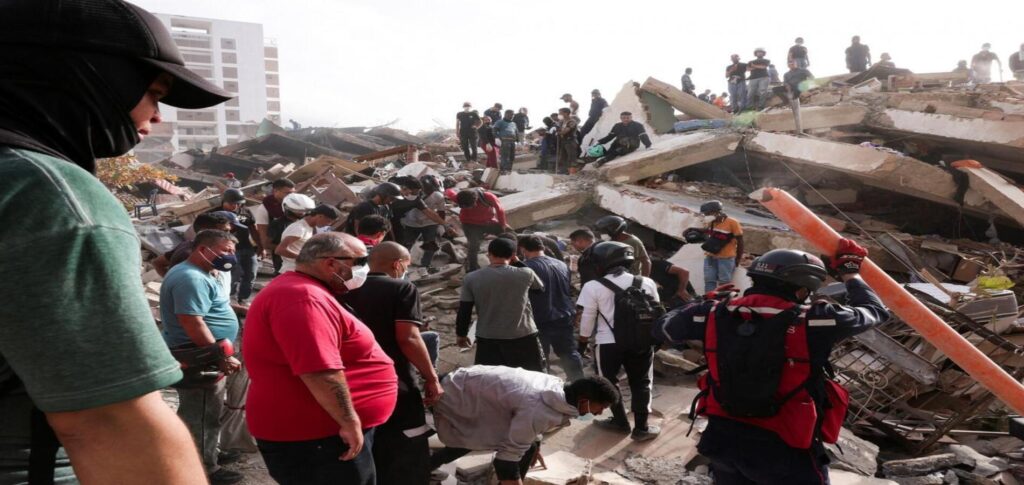
The World Bank has estimated that the powerful earthquakes which struck Venezuela in late June caused approximately $19.6 billion in physical damage, highlighting the enormous financial and humanitarian challenges the country now faces.
_x000D_The assessment provides one of the clearest pictures yet of the destruction left behind by the twin earthquakes and the scale of the rebuilding effort required.
_x000D_ _x000D_Residential Areas Suffered the Greatest Losses
_x000D_According to the World Bank’s findings, nearly half of the total damage affected residential buildings.
_x000D_The report states that 47% of the destruction occurred in homes, while 27% impacted critical infrastructure such as roads and public facilities. The remaining 26% involved commercial and other non-residential buildings.
_x000D_Officials said the widespread damage has significantly disrupted daily life and essential public services across the affected regions.
_x000D_ _x000D_Thousands Killed and Left Homeless
_x000D_The earthquakes, measuring 7.2 and 7.5 in magnitude, struck Venezuela on June 24, causing one of the country’s deadliest natural disasters in recent history.
_x000D_Government estimates indicate that at least 5,000 people lost their lives, while nearly 17,000 others were injured. Around 18,000 residents remain homeless, with thousands of families still relying on temporary shelters.
_x000D_Emergency teams continue to assess structural damage as rescue and recovery operations move into the rebuilding phase.
_x000D_ _x000D_Recovery Challenges Remain Significant
_x000D_World Bank Vice President for Latin America and the Caribbean Susana Cordeiro Guerra said reliable data is essential for guiding reconstruction efforts.
_x000D_She noted that the earthquakes have severely damaged critical infrastructure and warned that delayed investment could further weaken Venezuela’s economic recovery and reduce living standards.
_x000D_The report is intended to help authorities and international organisations better understand the country’s recovery needs and prioritise reconstruction projects.
_x000D_ _x000D_Poverty Compounds the Crisis
_x000D_The disaster struck a country already facing deep economic hardship.
_x000D_Even before the earthquakes, the World Bank estimated that 76% of Venezuela’s population was living in poverty following years of economic instability and international sanctions.
_x000D_Experts believe rebuilding homes, transport networks, schools and public services will require substantial international financial support over the coming years.
_x000D_ _x000D_Most Severe Damage Recorded Near Caracas
_x000D_Using satellite imagery, seismic modelling, local government data and humanitarian assessments, the World Bank identified La Guaira State and Distrito Capital as the regions that suffered the heaviest destruction.
_x000D_The assessment was carried out through the bank’s Global Rapid Damage Estimation (GRADE) system, which rapidly evaluates disaster impacts using multiple sources of verified information.
_x000D_ _x000D_International Support Continues
_x000D_Several countries and international organisations have pledged humanitarian assistance following the disaster.
_x000D_The United States also announced more than $200 million in funding for the Red Cross to support humanitarian responses to conflicts and natural disasters worldwide.
_x000D_However, officials clarified that the funding was not specifically allocated for Venezuela, leaving questions about how the country will finance its long-term reconstruction efforts.
_x000D_With billions of dollars in damages and thousands of families still displaced, Venezuela now faces the difficult task of rebuilding communities while addressing long-standing economic challenges.