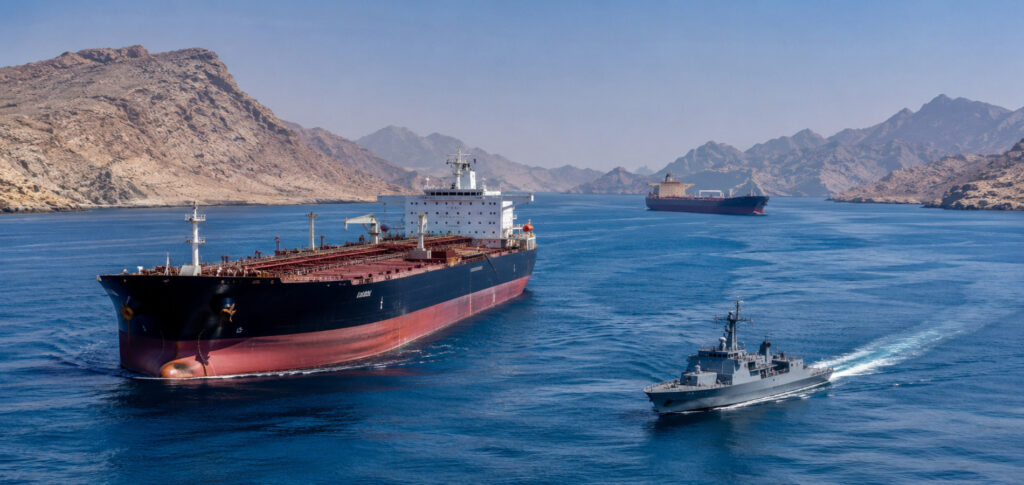
Iran Hormuz plan negotiations have hit a setback after Tehran rejected Oman’s proposal to manage shipping through the Strait of Hormuz, citing concerns over national security and military monitoring.
_x000D_The proposal, backed by several Gulf countries, aimed to improve maritime safety and reduce tensions in one of the world’s busiest shipping routes. However, Iranian officials believe the plan gives Oman greater control over commercial traffic while limiting Iran’s strategic role.
_x000D_ _x000D_Why Iran Rejected the Iran Hormuz Plan
_x000D_According to Sultan Barakat, Professor of Public Policy at Hamad Bin Khalifa University, Iran may have acted too quickly by rejecting the proposal outright.
_x000D_He suggested Tehran could have used the proposal as an opportunity to continue negotiations with Oman and strengthen diplomatic relations with Gulf nations that have already expressed support for the plan.
_x000D_Barakat noted that prolonged negotiations may have produced a solution acceptable to all parties.
_x000D_ _x000D_Oman’s Proposal for the Strait of Hormuz
_x000D_The proposed Iran Hormuz plan introduced two designated shipping lanes that could be used for both inbound and outbound vessels.
_x000D_Shipping companies would voluntarily pay transit fees, while vessels would naturally choose the shortest and most convenient route.
_x000D_Over time, this system would likely shift most commercial traffic closer to Oman’s territorial waters, improving navigation and reducing congestion.
_x000D_ _x000D_Iran’s Main Security Concerns
_x000D_Iran objected to the proposal because it believes the shipping arrangement weakens its ability to monitor vessels entering the Strait of Hormuz.
_x000D_Tehran wants separate inbound and outbound shipping lanes while maintaining control over the inbound route.
_x000D_Iranian officials argue this would allow them to observe foreign military vessels entering the strategically important waterway and better protect national security.
_x000D_ _x000D_Iran Offers Alternative Shipping Proposal
_x000D_Instead of accepting Oman’s proposal, Iran submitted its own counteroffer.
_x000D_The alternative plan would:
_x000D_ _x000D_- _x000D_
- Give Iran control over one complete shipping lane. _x000D_
- Allow partial control over the return route. _x000D_
- Address Tehran’s security concerns while maintaining maritime traffic. _x000D_
Iran argues that Oman’s proposed 50-50 division does not adequately protect its strategic interests.
_x000D_ _x000D_Regional Tensions Continue to Rise
_x000D_Barakat warned that recent military exchanges between Iran and the United States have increased instability across the region.
_x000D_He said the events of recent weeks demonstrate how fragile existing understandings remain and stressed that better diplomacy is needed to prevent further escalation.
_x000D_ _x000D_Iran Warns Strait Could Be Closed
_x000D_Iran has also warned that the Strait of Hormuz could remain closed if Oman rejects Tehran’s counterproposal.
_x000D_Deputy Foreign Minister Kazem Gharibabadi stated that Iran is prepared to take stronger measures if its security concerns continue to be ignored.
_x000D_The Strait of Hormuz remains one of the world’s most critical energy corridors, carrying a significant share of global oil exports. Any disruption could have major consequences for international energy markets and regional stability.